Tree Roots vs. Sewer Pipes: 5 Ways to Win The Underground Battle
10 Plumbing Tips Everyone Needs to Know
June 11, 2020
Warning Signs of a Slab Leak
July 17, 2020
1. There’s no denying the natural attraction – The water and nutrients flowing through your pipes are the things tree roots crave. Even a tiny crack or a loose joint can release vapors that attract roots like an aphrodisiac. Roots can work their way in to these openings and continue to grow until eventually they form a root mass that could totally block the pipe, causing the content to back up into your house. Tree roots are the number one cause of underground pipe damage.
2. The telltale gurgle: catch the problem early – Just like many household problems, it is best to catch the problem early. The longer you wait, the more expensive and extensive the repair solution might be. When your sewer pipes first start to clog, you may notice a gurgling sound in the toilet. You may have slow drains you clear out again and again, but the clog keeps coming back. You may notice that the toilet gurgle and slow drains occur in conjunction with water backing up in the bathtub or around your washing machine. These are all warning signs that there could be a “root meets pipe” conflict going on underground.
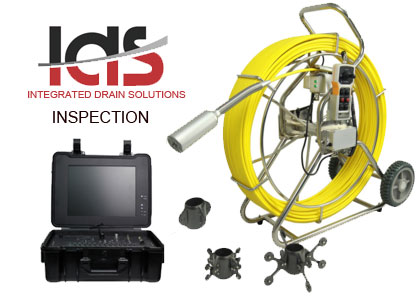
3. The roots are winning. Now what? – In most communities, homeowners are responsible for the underground pipes that lead from their home out to the municipal pipes that are often underneath the street. The pipes under your property are called the lateral pipes. To prevent problems from happening in the first place, you can have a sewer line specialist like IDS, route out your drain regularly at a relatively minimal charge. Or, you can attempt to block the direction of the tree root growth. If you have a minor problem, there is a potential DIY solution you can try. A half-cup of copper sulfate, which is available at most home improvement stores, can be flushed down the toilet. This is toxic to tree roots, but in small amounts will only travel so far up the root system, usually not causing damage to the tree. But because it is really hard to know exactly where the problem is and how extensive it is, it is almost always a good idea to call a professional to diagnose the problem and recommend a course of action. Our pipe scoping may be the way to go, call IDS for a CCTV pipe diagnostic.
4. Who do you call: plumber or sewer line specialist? Either a plumber or a sewer line specialist is a good place to start, but there are differences. Not all plumbers deal with sewer lines, and once it is determined that roots are the “root cause” of the situation, they may refer you to a sewer line specialist. Why not call IDS, we will give your the advice to get your root problem sorted out quickly.
5. What type of solutions can you expect? – Pipes, get ready for your close up … most professionals will want to diagnose the problem by snaking a special camera to where the blockage is to get a good look. IDS will share the photos with you. This will help us see how big the root mass is and how much damage has been done to the pipe. IDS can then open up the pipe by treating the root with chemicals or with a mechanical routing device that chops up the roots and gets things flowing properly again. If they determine that the pipe is so damaged that you now have options. Underground pipes are made out of different materials. Older clay pipes are more susceptible to root invasion. Metal pipes are heavier, making them harder to deal with, and sometimes have loose joints. The more preferred modern material for underground pipes is the lightweight and less penetrable plastic. IDS will inspect your problem, report back and provide you with a non-invasive trenchless solution to clean and reinstate the pipe.
Now that you know what to look for and what to expect, you may be able to prevent big problems or at least know how problems might be fixed. Trees and pipes can co-exist. Give us a call, we’re here to help.